If you own a home anywhere within a mile or two of the bay or the ocean in Atlantic County, a sump pump isn't optional — it's the difference between a finished basement and a $40,000 insurance claim. Same goes for inland lots with high water tables (parts of Galloway, EHT, Hammonton along the Mullica River), older homes with stone foundations, and anywhere a recent nor'easter has surprised your basement.
This guide walks through what a sump pump actually does, what a proper installation costs in 2026, what code changes are coming for flood-zone homes, and how to size the system so it actually keeps up with a real storm.
TL;DR for South Jersey homeowners
- A typical Atlantic County sump pump installation runs $1,200–$3,000 in 2026. Basic pedestal pumps start at $800. Full submersible installs with battery backup land at $1,500–$3,500.
- Replacing an existing pump is much cheaper: $309–$754 including disposal.
- Battery backup is the single most important upgrade for our service area. Storm-driven power outages are when most basements actually flood. Backup adds $1,000–$2,000.
- New 2026 code changes in select NJ flood zones may require dedicated 20-amp circuits for primary sump pumps. Older homes may need a subpanel upgrade — add $300–$700 to the electrical scope.
- Most submersible pumps last 7–10 years in our soil conditions. If yours is 8+, plan for replacement before the next storm season.
What a sump pump actually does
A sump pump sits in a basin (the sump pit) at the lowest point of your basement or crawl space. Groundwater rising in the soil drains into the pit. When the water level hits a float switch, the pump kicks on and pushes the water up and out — through a discharge pipe that exits the house above grade and dumps it at least 10 feet away from the foundation.
That's the entire job. But the details matter:
- Capacity (gallons per hour the pump can move) needs to match the worst rainfall your home will see.
- Discharge has to go far enough from the house that water doesn't drain right back into the soil and into the pit again.
- Power has to keep running during the exact storm that's causing the flooding.
- Maintenance keeps the float switch and intake clear — a stuck float during a nor'easter is how most pump failures actually happen.
What a proper installation costs in Atlantic County
For a standard residential install (new sump pit, submersible pump, discharge pipe to exterior, basic electrical):
| Component | Typical cost |
|---|---|
| Submersible pump (1/3 HP, cast iron) | $200–$450 |
| Pedestal pump (alternative for shallow pits) | $150–$300 |
| Battery backup system | $500–$1,200 |
| Wi-Fi water-level monitor / smart sensor | $150–$300 |
| Sump pit (if not existing) + breakout | $300–$700 |
| Discharge pipe, check valve, fittings | $150–$400 |
| Electrical (dedicated 20-amp circuit if not existing) | $300–$700 |
| Labor | $400–$900 |
| Permit | $75–$200 |
A typical Atlantic County install with a quality submersible pump, battery backup, and an existing pit comes in around $1,800–$2,500. Add a new pit breakout, dedicated circuit, and Wi-Fi monitor and you're at $2,800–$3,500.
If you only need to replace an existing pump in an existing pit on an existing circuit, expect $400–$750 including a new check valve.
Why battery backup matters more here than almost anywhere else
The single most common cause of basement flooding in Atlantic County isn't a pump that didn't work. It's a pump that worked fine — until the power went out.
Nor'easters and hurricanes that bring the rain also bring the wind that takes out power lines. Your pump runs perfectly for the first 4 hours of the storm, then loses power for the next 18 hours while groundwater keeps rising. Without a backup, you find out exactly how high your water table goes in a real storm.
A battery backup runs on a deep-cycle marine battery and kicks in automatically when AC power drops. Quality systems pump 1,500–2,500 gallons per hour for 6–12 hours on a fully charged battery — enough to ride out a typical outage. Add a battery monitor that texts your phone when it's drawing down and you can decide whether to fire up a generator.
If your home is in flood zone AE, VE, or X-shaded (the FEMA designations covering most coastal and bay-side properties in our service area), battery backup isn't a nice-to-have. It's the upgrade we recommend before any other.
Sizing the pump for South Jersey rainfall
Not every basement needs a beast of a pump. But undersizing is the #1 mistake we see in older Atlantic County installs.
Rule of thumb for sizing:
- 1/4 HP pump (~2,000 GPH): small homes, dry basements, no history of flooding.
- 1/3 HP pump (~2,500–3,500 GPH): standard for most homes in our service area. The right answer for ~80% of installs.
- 1/2 HP pump (~3,500–4,800 GPH): larger basements, homes within 1/2 mile of bay or ocean, properties with a history of water issues.
- 3/4 HP pump (~5,500+ GPH): only for very large basements, finished walk-out basements at or below grade, or homes that have flooded before.
We size based on the height the water has to be pumped (vertical lift), the length of horizontal discharge run, and the number of fittings in between. A pump rated 3,500 GPH at zero lift might only deliver 2,200 GPH at 10 feet of vertical lift and 30 feet of horizontal run. The spec sheet matters.
Building code changes coming in 2026
New Jersey is rolling out updated electrical requirements for sump pumps in designated flood zones, expected to take effect in Q4 2026. The big change: primary sump pumps in flood zones AE, VE, and X-shaded will require a dedicated 20-amp circuit, not a shared circuit with other basement loads.
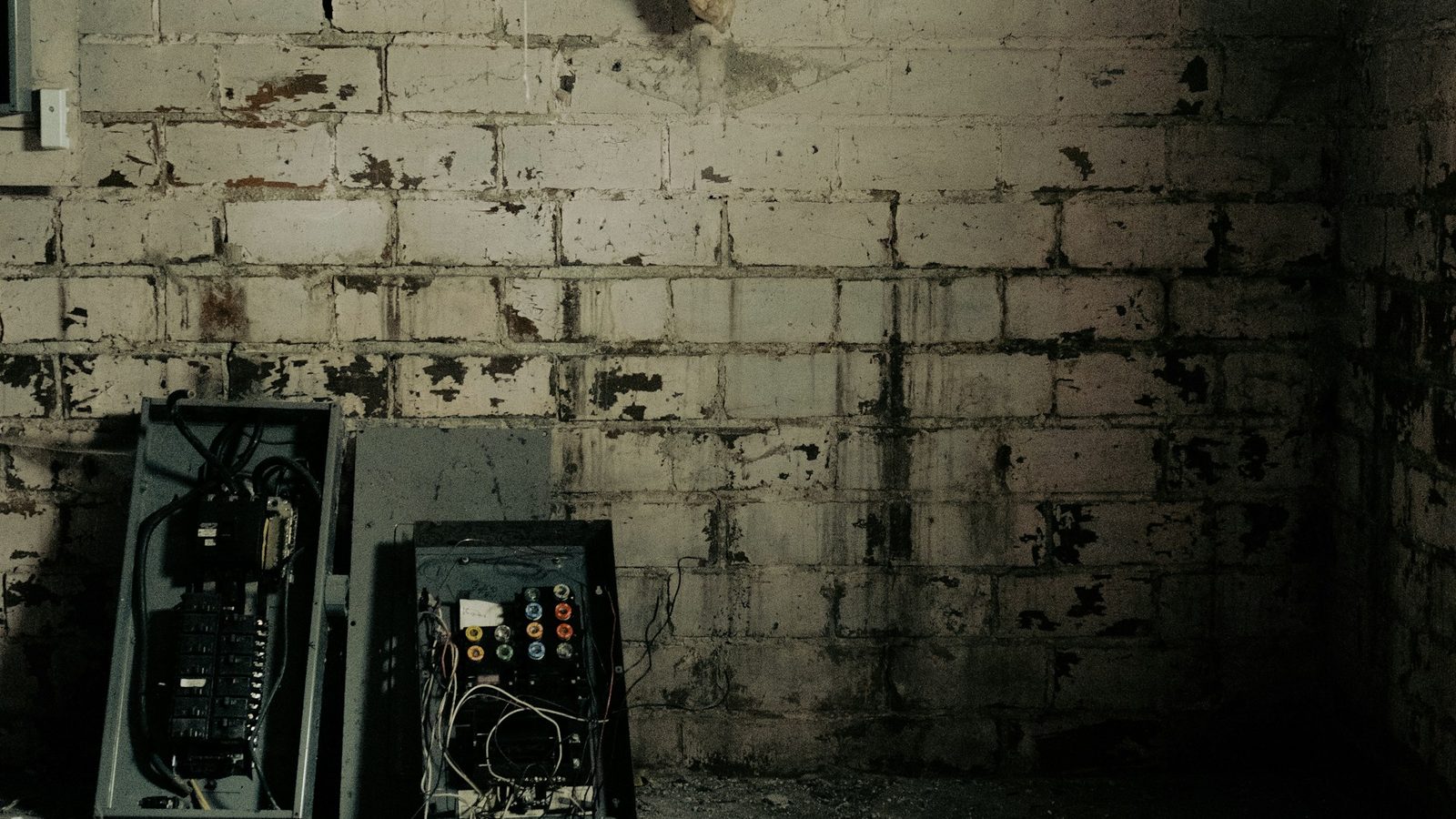
For homes with modern panels, this is a $300–$500 add. For homes with older Federal Pacific or Zinsco panels (still common in pre-1985 Atlantic County homes), it may require a subpanel upgrade — $1,200–$2,500.
If you're installing a new sump pump anytime in 2026, ask your electrician or plumber to spec to the new requirements even before they take effect. The cost difference now is small. The retrofit cost later is large.
Discharge: the part most installers get wrong
The discharge pipe has to do two things: get water far enough from the house that it doesn't drain back to the pit, and survive a New Jersey winter without freezing.
Common mistakes we fix:
- Discharge ends 2 feet from the foundation. Water drains right back to the pit. Your pump runs constantly. Pump life cut in half.
- No check valve or wrong check valve. Water flows backward into the pit when the pump shuts off. Same constant-cycling problem.
- Buried discharge with no air gap or freeze-relief. First hard freeze, the discharge line ices up, the pump runs continuously against a closed pipe, motor burns out.
- Discharge into the gutter system or storm drain. Illegal in most Atlantic County townships. Penalties are real.
The right setup: discharge pipe with a check valve at the pump, runs to the exterior, includes a freeze-relief fitting (a small "T" with a slotted cap that lets water escape if the buried line ices up), and dumps at least 10 feet from the foundation onto a splash block or into a French drain that carries it further.
Maintenance — the cheapest insurance you can buy
A sump pump that runs maybe 20 times a year for the first 5 years, then sits unused for 8 months, then is asked to run for 18 hours straight during the next nor'easter — that's a recipe for failure.
The annual maintenance routine (15 minutes, no specialty tools):
- Pour 5 gallons of water into the pit. Confirm the float switch trips and the pump runs.
- Listen for unusual sounds — grinding, intermittent stopping.
- Check the discharge outside. Water should flow freely.
- Visually inspect the check valve. No corrosion, no leaks.
- Test the battery backup. Most have a test button or an indicator LED.
- Once every 3–5 years, pull the pump and clean the intake screen. Sand and grit destroy impellers.
Skip this and you find out the pump is dead the night you need it.
What this means for coastal Atlantic County homes
The same pump install on a Pleasantville home and a Margate or Ventnor home isn't the same job. Coastal conditions change things:
- Higher water table. Your pump will cycle 5–20x more often per year than an inland install. Plan on replacing more frequently — 6–8 years instead of 8–12.
- Sand infiltration. Coastal soil works its way into pits and clogs intake screens. Pits in our coastal towns benefit from a fabric liner or a gravel base around the pit.
- Salt air corrosion. Cast iron submersibles last longer than thermoplastic in salty air. Pay the extra $80–$150 for cast iron in coastal installs.
- FEMA flood zones drive code requirements. Pull the elevation certificate and verify your zone before designing the install. The differences between zones AE, VE, and X have real consequences for what you're allowed to do.
For homes in flood zone VE (high-velocity wave zones — the most exposed properties), there are additional electrical and equipment elevation requirements. We won't quote a VE-zone install without first reviewing the elevation certificate.
Frequently asked questions
How long does a sump pump install take? For a replacement in an existing pit: 1–2 hours. For a full new install with a new pit, discharge, and dedicated circuit: 4–8 hours, usually one day.
Do I need a permit? Yes, in most Atlantic County townships. New installs with electrical work require a permit and an inspection. Replacements of existing pumps generally don't, but check your township construction office. We pull the permit if one's needed.
Can I install a sump pump myself? A like-for-like replacement of an existing pump, in an existing pit, on an existing circuit — yes, if you're handy. A new install with concrete breakout, new pit, and new electrical — no. The electrical code and the permit requirements make DIY a bad call.
What's better — submersible or pedestal? Submersible for almost everyone in our service area. Quieter, more powerful, hidden under the pit cover. Pedestal pumps are cheaper but louder and more prone to failure in dusty or wet pit conditions. We only spec pedestal pumps when the pit is too shallow for a submersible.
How often should the pump cycle? A healthy pump in a dry month: rarely or never. During a typical rain: once every 1–4 hours. During a nor'easter: continuously or near-continuously, but it should cycle off briefly between events. A pump that runs every 30 seconds when the basement isn't actively flooding has a check valve problem or a discharge that's draining back.
Will my homeowner's insurance cover a flooded basement? Standard policies cover backup from a sewer or drain (with a backup endorsement, usually $40–$120/year — add this). They typically do not cover groundwater seepage or rising floodwater — that's flood insurance through NFIP or a private flood policy. Read your declaration page carefully. Most Atlantic County properties in flood zones are required to carry flood insurance separately.
Is a Wi-Fi monitor worth it? Yes for coastal homes, second homes, or anyone who travels. A $150–$300 monitor texts your phone when the pump runs unusually often or stops responding. We've had customers stop a flood-in-progress from 200 miles away.
Get a real recommendation for your basement
Every basement is different. We do free sump pump assessments across Atlantic, Burlington, Camden, Cumberland, Gloucester, Ocean, and Salem County. The visit includes a check of your existing pump (if you have one), a measurement of pit depth and discharge run, a code review, and a written quote with itemized scope — including the new 2026 electrical requirements.
- Sump pump installation and repair — Atlantic County
- Annual maintenance programs
- Camera inspection (often paired with sump pump diagnostics)
Call 609-308-9600 or send us a message. Before the next storm is when you want this conversation.